The Old Music Industry Dream Has Changed
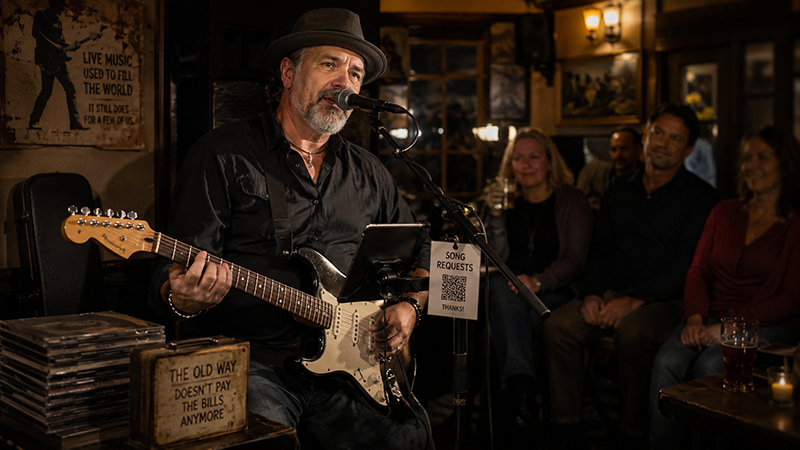
There was a time when the music dream seemed pretty clear.
Write songs.
Get discovered.
Sign a deal.
Record an album.
Sell CDs.
Get radio play.
Go on tour.
That was the path a lot of us grew up believing in.
But that version of the music industry does not really exist for most working musicians anymore. Record labels do not operate like they used to. CDs are basically gone. Downloads came and went. Streaming is everywhere, but unless you are pulling serious numbers, it is not paying your monthly Spotify subscription fee, let alone your bills.
I still write original music. I still love writing songs. I still believe in it. But I also live in the real world.
I am a full-time musician in regional NSW. This is not a hobby for me. It is how I pay my bills. It is how I support my family. And the truth is, the thing that keeps the lights on is not Spotify streams or some fantasy of “getting discovered”.
It is live gigs.
Streaming Changed Everything
Streaming has made music easier than ever to access, but harder than ever to earn from. Listeners can hear almost anything, anytime, for a monthly fee. That is great for music fans, but it means individual songs have been heavily devalued.
Years ago, people bought albums. You could sell CDs at gigs and walk away with real money in your pocket. These days, most people do not even own a CD player. Original music still matters, but for most independent artists, it is not a reliable income stream.
That is not being negative. It is just honest.
Social Media Is Not A Career
Social media is useful. I use it all the time to promote gigs, songs, videos and events. But views are not the same as income. Likes do not automatically become bookings. Followers do not always become people who will leave the house and support live music.
There is a lot of advice now telling musicians to post constantly, build a brand, chase algorithms and try to go viral. Can that work? Sure. You might also win lotto. I am not building my life around either one.
Live Gigs Still Pay
For working musicians like me, live performance is still the backbone.
Pubs. Clubs. Weddings. Private functions. Corporate events. Duo gigs. Solo gigs. Friday nights, Saturday nights, Sunday sessions, long drives, late pack-downs, and crowds yelling requests at you halfway through a song.
That is where the real work is. And yes, a lot of that work is covers.
Some people look down on cover gigs, but cover gigs keep musicians working. They keep venues alive. They give audiences a night out. They put fuel in the car, strings on the guitar, food on the table and money in the bank.
There is skill in it too.
Reading a room is a skill.
Holding a crowd is a skill.
Singing for hours is a skill.
Knowing when to change the setlist is a skill.
Making familiar songs feel alive is a skill.
That is musicianship.
Covers Pay The Bills, Originals Feed The Soul
This is where I sit.
Covers pay the bills. Originals feed the soul.
I am not “just a cover muso”. I write songs. I release original music. I care about creating something of my own. But I am also realistic.
If one of my songs suddenly took off, fantastic. I would not complain for a second. But I am not sitting around waiting for the magical music industry fairy to tap me on the shoulder. I would rather work.
My cover gigs fund the rest of it. They pay for the gear, the travel, the recording, the websites, the time and the life that allows me to keep making music.
That is not selling out. That is surviving.
A Musician Has To Be A Business Now
Being good is not enough anymore.
You have to answer messages, promote shows, send invoices, maintain gear, negotiate fees, manage bookings, update socials, keep your calendar organised, and still turn up ready to perform.
Most working musicians do not have a label, manager, booking agent, marketing team or road crew. We are the team.
We are the singer, guitarist, roadie, driver, admin department, accounts department, tech support and social media person.
Then we get on stage and make it look easy.
Fame Is Not The Same As Success
A lot of people still think success in music means being famous. It can. But it does not have to.
Success might mean being booked every week.
It might mean venues call you back.
It might mean paying your bills from music.
It might mean raising a family without needing a “real job”, according to people who have never carried a PA speaker up a flight of stairs.
I have been doing this for decades, and I am still here.
Final Thought
If you want to chase fame with original music, go for it. Write the songs, release them, promote them, take the shot. But do not confuse a dream with a business plan.
For a lot of professional musicians in Australia, especially in regional areas like NSW, the reliable money is still in playing live.
Not because it is easy. Because it is real.
A crowd in front of you is real.
A venue paying you is real.
A wedding booking is real.
A full calendar is real.
Streaming numbers might feel good.
But gigs pay the bills.